missing in my mind. the journey to reclaiming my whimsy.
Words by Winnie Temple, in conversation with Amy Davenhill.
Could you explain your disability in your own words?
“I have endometriosis, I was diagnosed when I was seventeen, which is quite early... because it’s normally like eight to ten years to get a diagnosis. I was diagnosed within two or three years which is really early and I’m very lucky.” “It is basically where the lining of my womb grows in other parts of my body... it can be found everywhere.” “It doesn’t go away, there’s no cure. I’ve had two or three surgeries to remove some of it, but it always comes back. I’ve been told that I probably need surgery every five years to just get it gone.”
Do you think endometriosis needs to be spoken about more?
“Yes, a hundred percent. I think it’s one in ten women have it, and the diagnosis process is insane, because it can only be diagnosed through surgery.” “The waiting period for a diagnosis is so long, because of how it is diagnosed. It doesn’t show up on scans... I’ve had CT scans, I’ve had ultrasounds, I’ve had internal ultrasounds and it doesn’t show up at all.” “It’s a long process... it’s a painful debilitating disease, it’s incurable.”
“I felt that for the first couple of years no one around me knew what it was either, but in the past few years I’ve seen a lot more in the news, I’ve seen a lot more morning talk show people talking about it which is quite good.”
What was the inspiration behind your shoot?
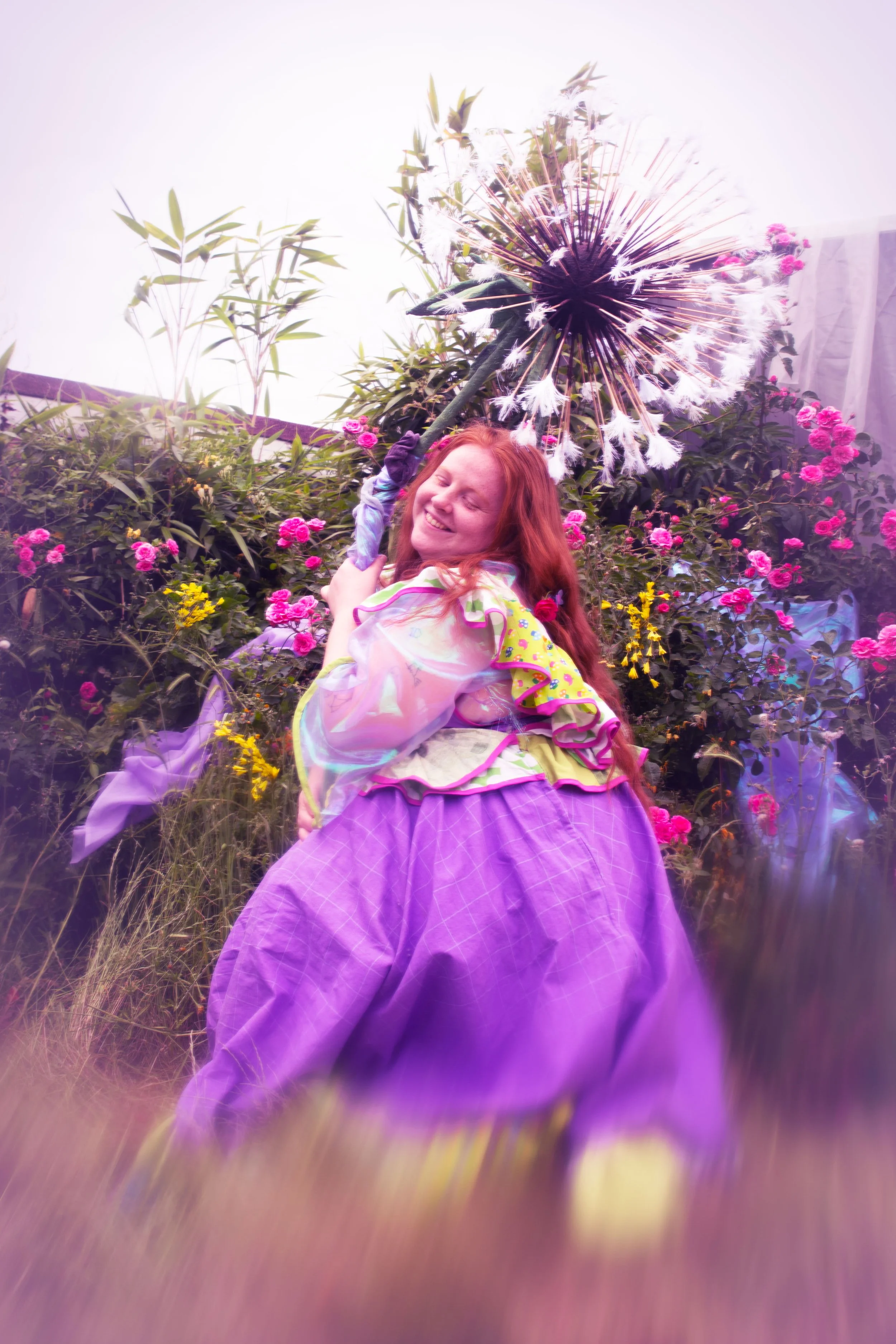
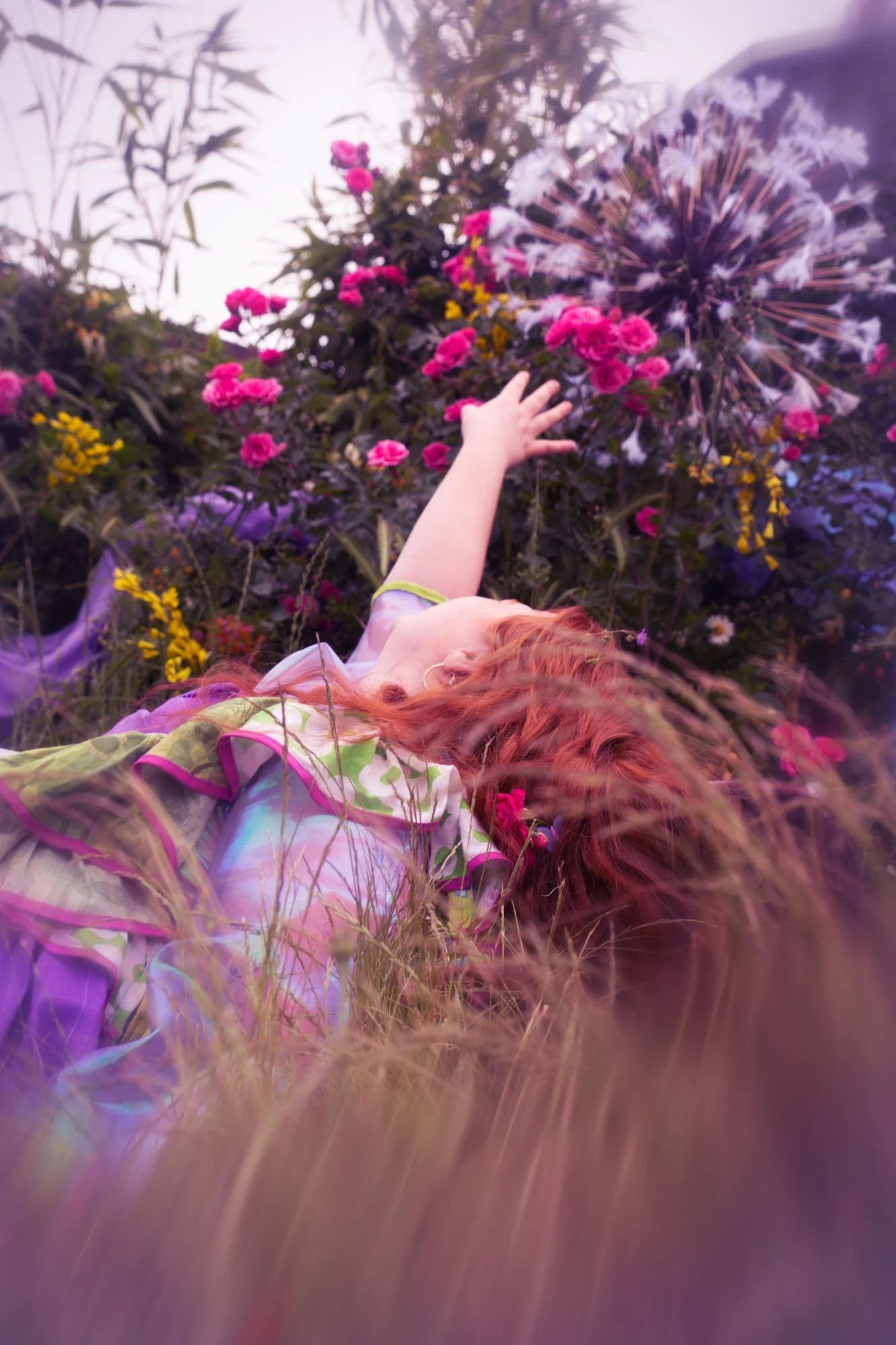
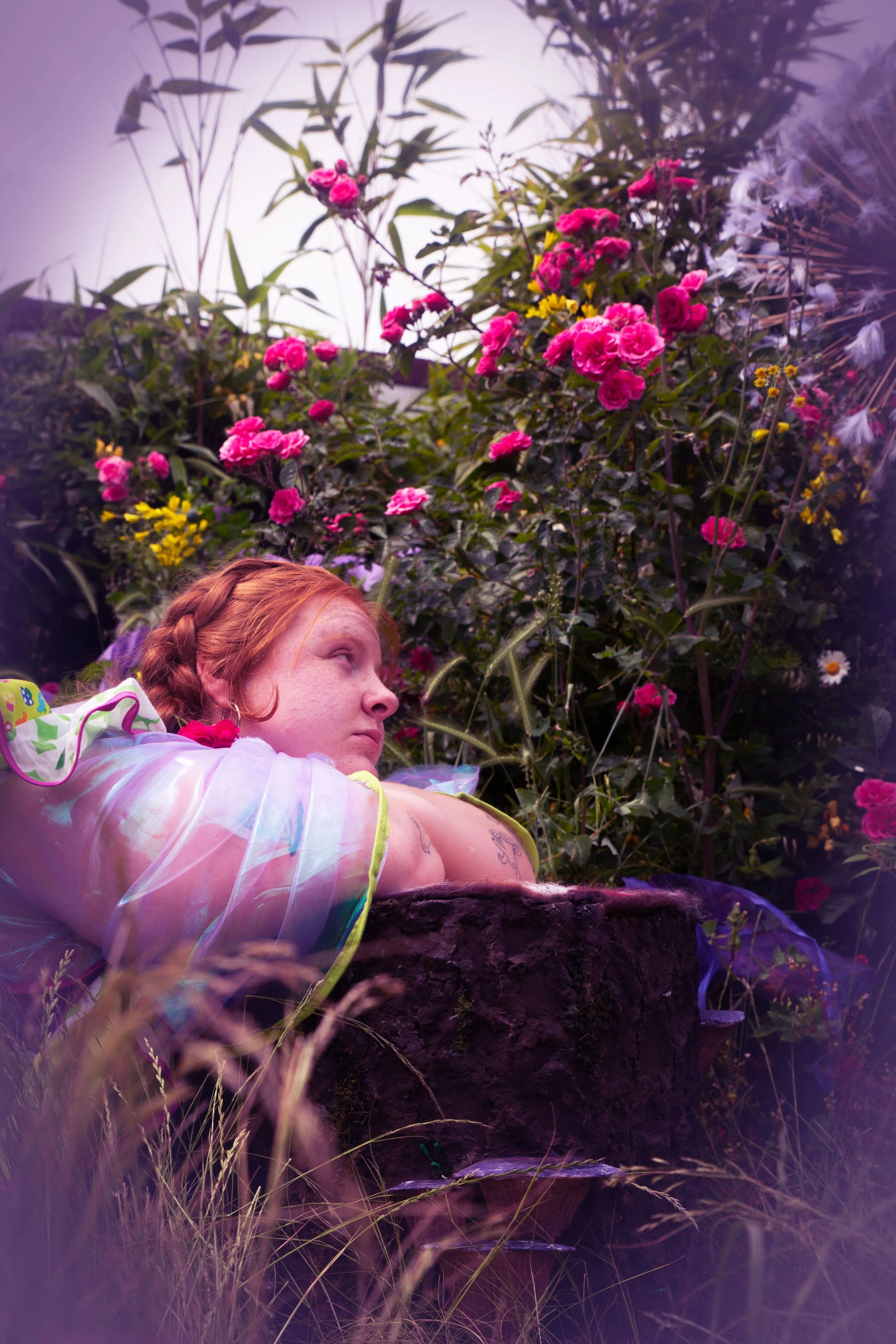
“My mental health had a huge impact on who I was as a person, and I feel like I really lost myself. I lost the things I like; I didn’t enjoy anything that I used to. There wasn’t much joy in my life because of my disability, and I saw that as who I was.” “The shoot is about me finding my whimsy again and becoming more myself which I’ve definitely found over the past year or two, by embracing my disability and understanding my needs, and understanding myself a bit more. I’ve been able to get back to who I was when I was fourteen.” “I’ve been doing a lot more creative stuff, and it’s refuelled my love for it.”
How much does it impact your day to day life?
“I started getting symptoms when I was thirteen or fourteen, and even then, I was out of school, I was missing a lot of social hangouts with my friends, I can barely stand up some days. I’ve had days where I’ve been unable to get out of bed... it affects my work life and then I’m not earning, and that affects money.”
“My mental health has been really awful because of my disability. When I was first diagnosed it was such a big thing, that I didn’t want it to be true so I kind of ignored everything that would help me and I would shut myself off... so I lost a lot of friends.”
“I struggle a lot with my mental and physical health, and because of that I felt a bit behind everyone else, and I didn’t get much support... I still graduated but that was because of me and the people around me. It’s been really hard to get a job, even getting some experience has been really difficult because with a disability you don’t know your schedule so you can’t do a nine to five... flare ups can last like over a week, it’s not an option for workplaces to hire people like that.” “It’s a lot of stress to go through and it’s just difficult.”
Why did you want to get involved in the project?
“Adam is my best friend, he’s helped me through uni... he’s been the biggest inspiration for me... I wanted to be part of something that he’s doing that is making a big difference and a positive impact on people with disabilities.” “I really want to thank Adam, he doesn’t get the thanks he deserves and he doesn’t recognise that he’s doing such an amazing thing.” “Plus being part of something that can help other people, especially younger generations of disabled people who might not have anyone to turn to or get advice from, like me when I was fourteen.”